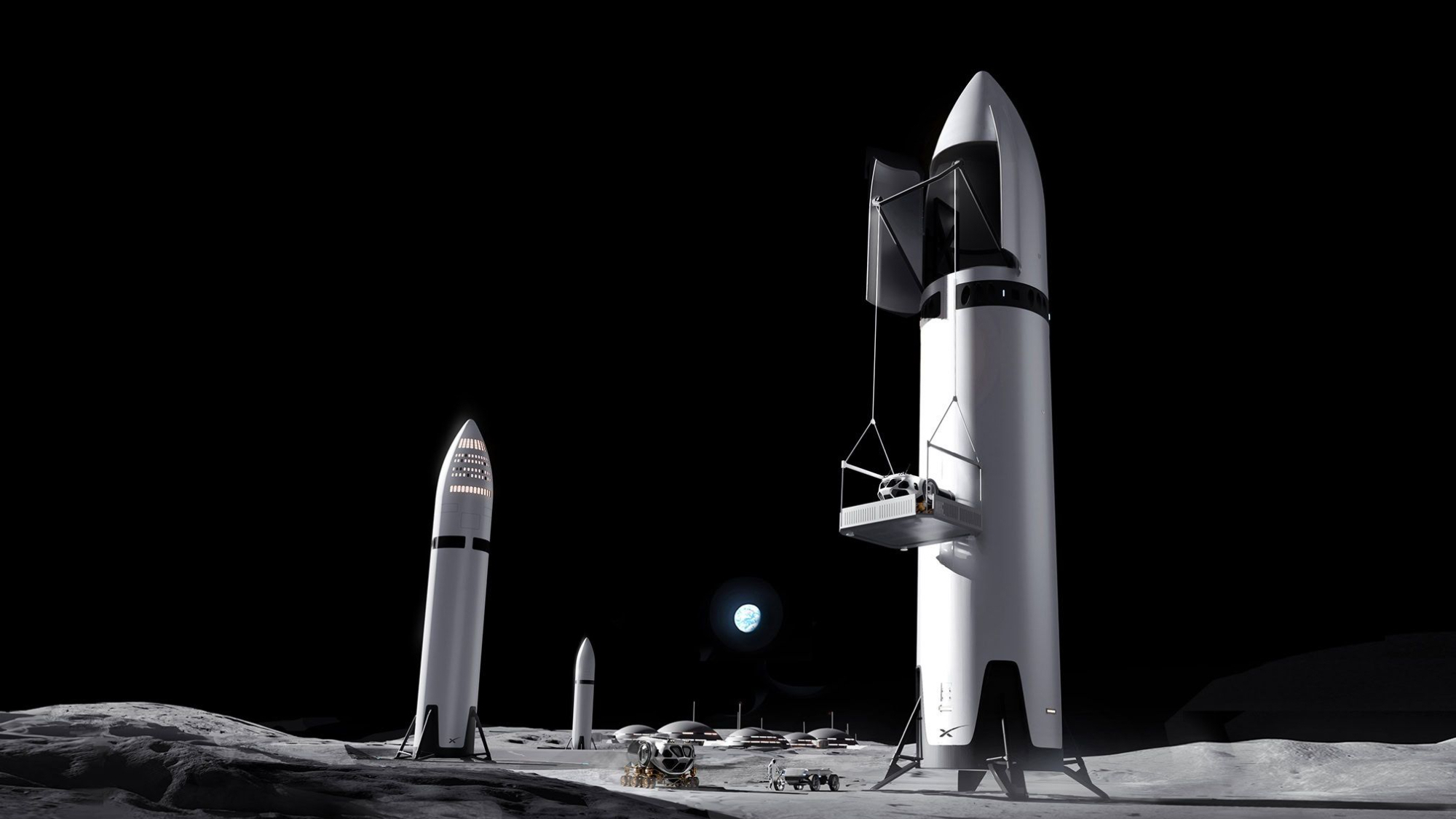
SpaceX priced at $135 per share. The company sold 555,555,555 shares. It raised $75 billion in a single day, debuted on the Nasdaq this morning, and Elon Musk — who was already the richest person on Earth by a margin so large the second-place finisher barely registers — woke up today as the first trillionaire in recorded human history.
That last part is “on paper,” as the Washington Post qualified it yesterday. The paper qualifier matters about as much as it usually does when someone has $1.1 trillion.
What $1.77 Trillion Actually Means — and Why That Number Exists
SpaceX raised $75 billion in its initial public offering, pricing at $135 per share at a valuation of approximately $1.77 trillion — making it one of the ten biggest listed companies on Earth at birth. Saudi Aramco previously held the record for the largest IPO in history, debuting in 2019 at $1.7 trillion. SpaceX has surpassed it on day one.
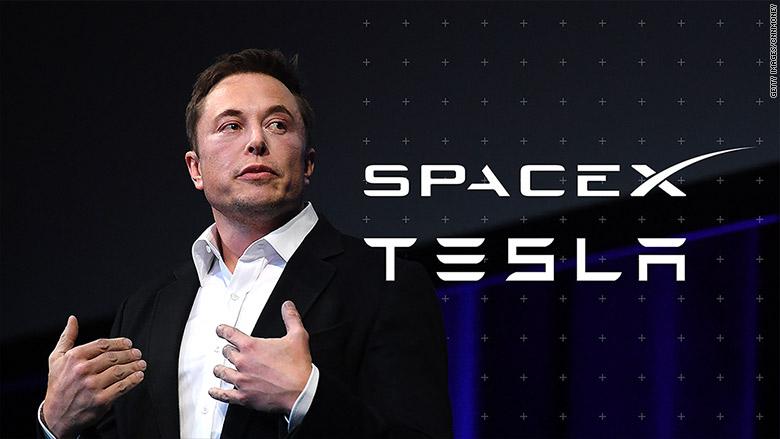
The reason the valuation got this large is not rocket launches. It is Starlink. SpaceX’s satellite internet service now has millions of subscribers across 100-plus countries and is the only global broadband provider with no meaningful terrestrial infrastructure costs. Every other ISP owns fiber in the ground, cell towers, or cable lines. Starlink’s infrastructure is in orbit. That structural advantage — combined with the near-monopoly on low-earth orbit broadband density — is why estimates put SpaceX’s 2026 revenue at $22 to $24 billion, driven overwhelmingly by Starlink subscriptions. Starship is the long-term Mars colonization bet. Starlink is why the stock is priced the way it is today.
CNBC’s live IPO desk put 70% odds on the stock rising on its debut day, near-50/50 odds it closes above a $2.2 trillion market cap, and an 84% probability it closes above $1.8 trillion. Five other US companies have previously reached the $2 trillion benchmark: Nvidia, Apple, Alphabet, Microsoft, and Amazon. SpaceX could join that group before today’s closing bell.
Why Musk Hits $1.1 Trillion Today Specifically
According to Forbes’ real-time tracker, Musk’s net worth stood at approximately $788.8 billion as of early June 2026, spread primarily across Tesla — where his stock and options combined are worth roughly $455 billion — and his SpaceX stake, which has been privately held until today.

Musk owns approximately 42% of SpaceX. At a $1.77 trillion valuation, that stake alone is worth roughly $743 billion. The reason he crosses a trillion specifically today, rather than six months ago, is simple: there was no public price. SpaceX’s valuation in secondary markets was an estimate. The IPO creates a real-time, exchange-traded number that Forbes and Bloomberg count as actual net worth rather than a projection.
Larry Page sits in second place globally at around $300 to $334 billion. Sergey Brin follows at approximately $285 billion. Musk’s $1.1 trillion is larger than Page, Brin, Bezos, and Ellison combined. The gap between first and second place on the global wealth ranking is now larger than Jeff Bezos’s entire fortune.
Why Retail Investors Are Excited — and Why They Should Slow Down
SpaceX allocated 20% of its shares to retail investors and drew roughly $70 billion in orders, according to Reuters. The reason for the retail allocation is partly PR — Musk has spent years cultivating a direct retail investor base through Tesla and his social media presence — and partly practical, since retail buyers create price stability in the opening weeks by holding rather than flipping.
The cautionary note comes from Boston College’s Tomic, who told Al Jazeera that SpaceX may be significantly overvalued, and that the newly waived Nasdaq 15-day rule gives pension funds, retirement accounts, and university endowments almost no time to evaluate real trading performance before making allocation decisions. The standard 15-day window exists specifically to prevent institutions from committing capital to an IPO before the market has had a chance to find the stock’s actual floor.
One financial advisor told NPR directly: treat SpaceX’s IPO as purely speculative. That advice applies even if you believe Starlink is the future of global internet — which it may well be — because the distance between “this business is real” and “this stock is fairly priced at $1.77 trillion on day one” is where fortunes get made and lost.
Why the xAI Merger Changed Everything
The company that went public this morning is not the SpaceX that existed two years ago, and that distinction is why the valuation climbed from the $1.5 trillion target Bloomberg reported in December 2025 to $1.77 trillion at pricing.
Earlier in 2026, SpaceX completed a merger with xAI — Musk’s artificial intelligence company — making the combined entity a rocket, satellite internet, and AI conglomerate simultaneously. The market is now pricing three separate multi-hundred-billion-dollar businesses inside one ticker: Starlink’s recurring subscription revenue, Starship’s long-term space infrastructure monopoly, and xAI’s Grok large language model competing directly with OpenAI and Anthropic. That triple-stack is why investors are paying a premium that makes the raw revenue numbers look thin by comparison. At $22 to $24 billion in 2026 revenue, SpaceX is trading at roughly 75 times sales. Nvidia, at its most expensive, peaked around 40 times. The xAI bet is what fills that gap.
What the Stock Does Next and Why It Matters Beyond Musk
Analysts say Anthropic and OpenAI are likely to follow SpaceX to public markets this year, each targeting valuations above $1 trillion. If both list in 2026, this calendar year produces three of the largest IPOs in stock market history in sequence. The SpaceX debut is being watched as a stress test for whether public markets can absorb that volume of mega-cap AI listings without repricing the others downward.
If SpaceX closes today above $2 trillion, the answer is yes. If it pulls back sharply from the $135 open price, OpenAI and Anthropic’s bankers will spend the weekend revising their valuation decks.
The inflatable Musk erected by Grok AI protesters outside the NYSE this morning did not move the stock. The opening bell did.
Sources
- CNBC Markets: SpaceX IPO Debut & Stock Market Live Coverage
- Forbes Real-Time Billionaires: Elon Musk Net Worth Tracker
- Reuters Business: SpaceX Public Listing & Retail Share Allocation Details
- Bloomberg Technology: SpaceX Valuation Estimates & xAI Merger Updates
About the Author
Your 47-year-old finance uncle who cried when the dot-com bubble burst, tattooed “BUY THE DIP” on his forearm in 2022, has a laminated copy of the Saudi Aramco IPO prospectus on his refrigerator, and has been refreshing the SpaceX ticker on three different devices since 6 AM while eating cereal directly from the box.