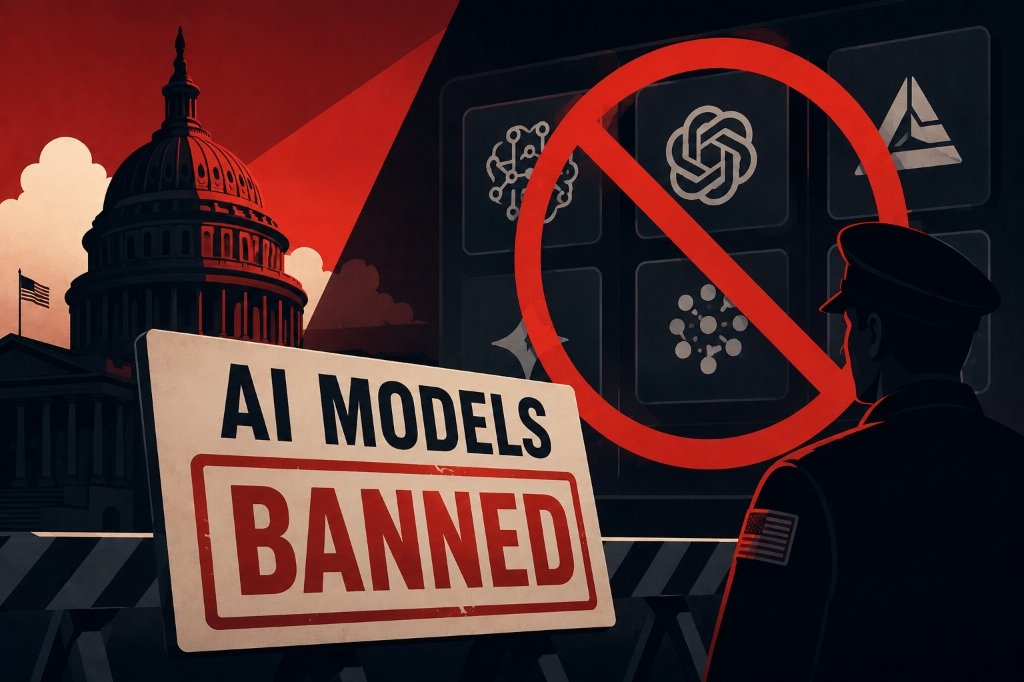
Norway has imposed a near-total ban on generative AI tools in elementary classrooms, sparking a global debate on whether AI is causing cognitive regression in young students. On June 19, 2026, Prime Minister Jonas Gahr Stoere announced that the country will restrict generative systems to protect early child literacy.
- What Is Norway’s Elementary School AI Ban?
- Why Is Norway Banning AI in Schools?
- Does Norway’s AI Ban Apply to High School Teachers?
- What Age Group Does the Norway AI Ban Affect?
What Is Norway’s Elementary School AI Ban?
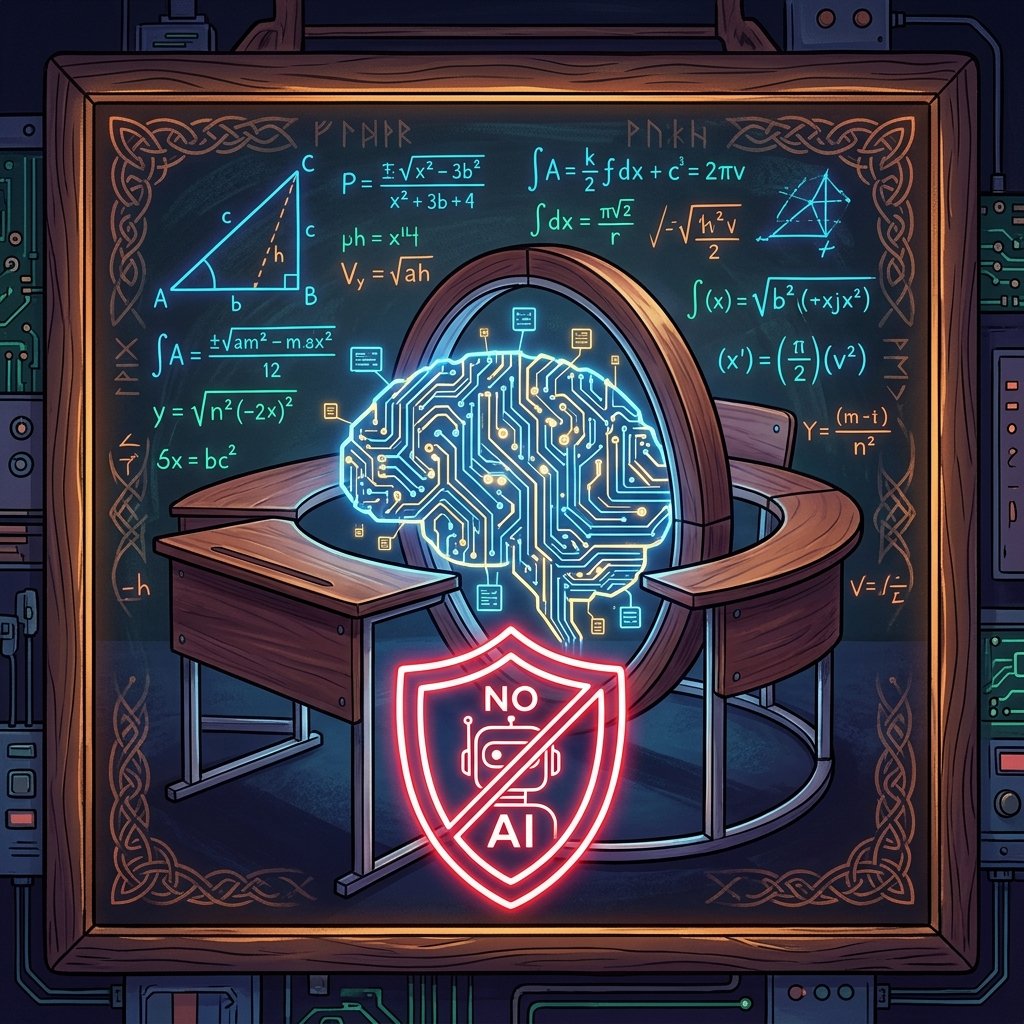
Norway’s elementary school AI ban is a national policy directive that restricts pupils from using generative AI tools inside classrooms. The mandate restricts schools from utilizing large language models and automated generation platforms for daily assignments, ensuring children focus on analog, hand-written learning.
The decision by Norwegian officials represents a significant shift away from the rapid digitalization of schools. Over the last decade, Nordic school systems led the world in adopting tablets, laptops, and digital learning platforms. However, the introduction of generative models led to concerns that students were outsourcing critical writing and analytical thinking tasks to automated systems.
Under the new directive, elementary schools must return to paper-based assignments and analog learning tools for core subjects. Generative tools are entirely restricted for young pupils, while older children in secondary education face tightly regulated access guidelines. The goal is to preserve basic human skill development before exposing students to automation tools.
Why Is Norway Banning AI in Schools?
Norway is banning AI in schools because government leaders and educators warn that generative models allow children to skip critical developmental milestones. Prime Minister Jonas Gahr Stoere stated that the most important thing in school is that children learn to read, write, and do mathematics without automated shortcuts.
According to Prime Minister Stoere’s press conference address, relying on AI models at an early age poses a direct threat to cognitive growth. If a student uses an AI model to draft an essay or solve a basic math equation, they bypass the neural pathways required to build those skills independently. This risk of early-learning degradation has led Nordic policymakers to hit pause on classroom technology integration.
This educational resistance parallels the wider corporate struggles documented in the AI productivity paradox. Just as enterprises are realizing that automated code generation often introduces structural errors and technical debt, educators are finding that student-generated AI text lacks critical thinking and actual understanding. The ban represents a systemic effort to re-establish the baseline of human capability.
Does Norway’s AI Ban Apply to High School Teachers?
No, Norway’s AI ban does not apply to teachers or lesson preparation. The directive is focused exclusively on student generative output. Teachers are permitted to use AI tools to generate teaching materials, automate administrative workflows, and manage class scheduling, provided no student data is exposed.
The policy draws a sharp distinction between pupil consumption and educator administration. Many teachers are time-poor and rely on Large Language Models (LLMs) to draft lesson plans, proofread resources, and summarize educational briefs. Banning teacher access would introduce severe administrative friction into an already strained system.
However, the policy demands that teachers maintain strict oversight to ensure student data privacy. As massive computing clusters scale up through custom designs like the Jalapeño ASIC chip, the risk of student essays and classroom data being harvested to train commercial models has increased. The Norwegian guidelines emphasize that any educator-facing tool must comply with strict national data protection frameworks.
What Age Group Does the Norway AI Ban Affect?
The Norway AI ban primarily affects elementary school students aged 6 to 13 years old. For older students in high schools and universities, the government has replaced the flat ban with restricted usage guidelines, teaching students how to verify AI outputs rather than prohibiting them entirely.
The age-specific division is built on developmental science. Child psychologists and educational experts advise that between the ages of 6 and 13, the brain builds its core reading comprehension, memory, and logical processing foundations. Introducing automation during these years can severely stunt independent learning.
For older students, the focus shifts to AI literacy. High school students are taught to treat AI models as assistive reference systems rather than authors. They learn how to spot hallucinations, fact-check model claims, and write effective prompts. This approach aims to prepare older students for a workforce that relies on digital tools, while safeguarding the basic cognitive development of younger children.
Let us compare the educational approaches of different nations:
| Nation | Elementary Policy (Ages 6-13) | High School Policy (Ages 14-18) | Core Justification |
|---|---|---|---|
| Norway | Near-Total Ban | Restricted / Guided Use | Cognitive development, basic literacy |
| Sweden | Near-Total Ban | Paper-Only Focus | Re-establishing manual learning foundations |
| Israel | Active Integration | System-Level AI Tutors | Teacher shortages, customized curriculum |
| United States | District-by-District | Varies (Mostly Unregulated) | Local control, high tech-sector lobbying |
Key Takeaways
- Norway has implemented a near-total ban on generative AI tools for elementary school pupils (ages 6 to 13).
- Prime Minister Jonas Gahr Stoere stated that AI usage increases the risk of children skipping critical learning steps.
- The ban is focused strictly on student output, allowing teachers to use AI for lesson prep and admin tasks.
- Older students in secondary education face restricted guidelines focused on AI verification and prompting literacy.
- The decision is highly supported by parents and community members advocating for a return to hand-written work.
FAQ
What is Norway’s elementary school AI ban?
Norway’s elementary school AI ban is a national educational policy that prohibits elementary school pupils (ages 6 to 13) from using generative AI systems for schoolwork, requiring a return to paper-and-pencil learning.
Why is Norway banning AI in schools?
Norway is restricting AI usage to protect early child literacy and cognitive development. Government officials warn that automating writing and math tasks prevents children from building foundational thinking skills.
Does Norway’s AI ban apply to high school teachers?
No, the ban does not apply to educators. Teachers can use AI tools to prepare classroom materials, manage administrative tasks, and optimize schedules, provided they do not upload private student data.
What age group does the Norway AI ban affect?
The near-total ban affects elementary school pupils aged 6 to 13. Students in older age brackets face restricted guidelines aimed at teaching AI literacy and output verification.
Are other European countries banning AI in schools?
Yes, Sweden has implemented similar restrictions, returning classrooms to paper-only writing and physical textbooks to combat declining reading comprehension scores.
Sources
- Reuters Press Release: “Norway imposes near ban on AI in elementary school”
- Norway Ministry of Education and Research Policy Brief (June 2026)
- Nordic Council of Ministers: Educational Tech Integration Guidelines